Leave Your Message

Blog

China Top 10 Vegetable Chopper Manufacturers 2026?

China Top 10 Vegetable Chopper Manufacturers 2026?

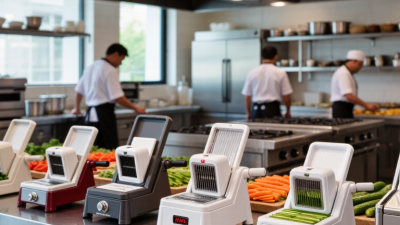
Honestly, picking a veggie chopper—for a commercial kitchen or a home brand—takes more than just eyeballing glossy product photos. Blade material, cutting consistency, container capacity, assembly, cleaning... all of that really affects how it works in daily use. A compact model might handle onions and peppers fine, but throw firmer veggies at it in repeated batches and it can really struggle. So the small details? They end up mattering a lot. Looking for a reliable vegetable chopper manufacturer in China? This guide to the top 10 suppliers for 2026 is meant to help you look past the flashy marketing and ask the right questions. It covers things like product range, manufacturing capabilities, customization, quality control, and communication—basically, what actually matters when you're choosing a partner. Sure, price matters, but it's not the whole story. You should still do your own homework: verify specs, ask for samples, and ask directly how they test blade sharpness and fit. Sometimes a factory's response tells you more than their catalog ever will. And honestly, not every claim holds up. Search terms can be confusing, too—honestly, you’ll see “Chopper Vegetable Chopper” and “Vegetable Chopper Vegetable Chopper” in product listings. But repetitive keywords don’t tell you much; clear specifications do. So think of this overview as a starting point, not a substitute for doing your own homework on suppliers. Look, things change—product lines shift, production capacity evolves, so don’t treat any spec as gospel. Keep that in mind. When you’re comparing, make sure it’s apples to apples: test the same kinds of vegetables, time how long cleanup really takes, and ask if replacement parts are easy to get. A good supplier won’t just hype the strengths; they’ll be upfront about the limitations too. At the end of the day, the right choice depends on your order volume, target market, and what you’ll actually be using it for. Honestly, there’s no perfect model out there.
Read more »
Lila By:Lila - November 7, 2026
What Is the Best Collapsible Colander for 2026?

What Is the Best Collapsible Colander for 2026?

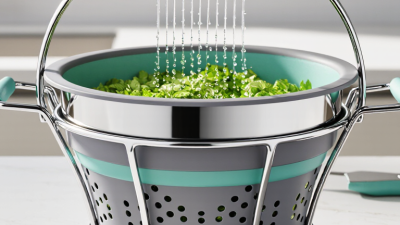
So, picking the right collapsible colander for 2026 isn't just about whether it folds flat—honestly, that's only half the battle. You really want something that drains pasta quickly without making you wait forever, stays put when it's loaded up with heavy veggies, and doesn't take over your whole cabinet. That soft rim might feel nice at first, but if the base is flimsy, you'll end up with a wobbly mess the second you lift it. Trust me, it's the little things that catch you off guard. So, here’s something interesting: the OECD’s 2022 Global Plastics Outlook found that we used about 460 million tonnes of plastics in 2019 – that’s four times what we used back in 1990. Now, that number isn’t exactly a prediction for the colander market, but it does make you think about material quality and how long stuff actually lasts. So we're going to dive into some specifics – like silicone flexibility, frame rigidity, how the drainage holes are laid out, heat guidance, cleaning access, and what the dimensions are when it's folded up. Because honestly, a product that folds up neatly but then traps water in its seams? That's not exactly a win. Okay, quick note on evidence: I couldn't actually find a verifiable quote from any specialist in the collapsible-colander world, so I'm not going to make one up. That gap is important, you know? You really should cross-check any product claims against the manufacturer's specs, and if there's independent testing out there, even better. When you're looking at these, pay attention to things like stable handles, a reinforced base, and make sure the dimensions actually fit your sink. And then there's the trade-off: a wider bowl might drain more at once, but it could be a pain in a small sink. Look, this guide isn't about slapping a 'best' sticker on everything. It's about digging into the nitty-gritty stuff that actually matters. And hey, the way you cook? That totally matters too.
Read more »
Aria By:Aria - November 4, 2026
How to Choose the Best Collapsible Colander?

How to Choose the Best Collapsible Colander?

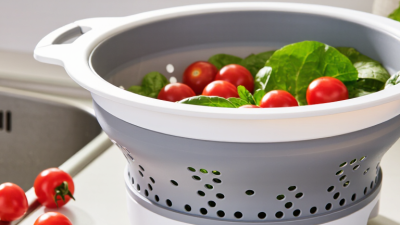
So, picking the right collapsible colander really comes down to how you actually cook. If you’ve got a tiny kitchen, a compact one might be the way to go. But if you’re constantly rinsing pasta or washing leafy greens, a wider basket just makes life easier. Don’t just get hung up on how small it folds—check the open diameter, depth, handle design, and capacity against your sink and the portions you usually make. Because honestly, that colander can look huge online and then feel totally cramped next to a big pot. When you’re picking out a colander, material and stability are worth paying attention to. Silicone sides are nice because they fold down for storage, but you’ll also want a rigid rim or base so it doesn’t sag when it’s full. Before you drain something straight off the stove, double-check the heat limits, and make sure the care instructions are actually clear. Drainage holes should let water escape without letting all your tiny pasta sneak through. And honestly, small details can make or break it. Handles need to feel solid, and the base should sit flat on the counter—or in the sink—without wobbling. Look, reviews can be super helpful when it comes to spotting things like sagging, weird lingering odors, or a colander that's a pain to clean. But at the end of the day, everyone's experience is a little different. There's no such thing as the perfect design, right? For example, a collapsible model might free up cabinet space, but it could also be less sturdy than a regular colander—and that's a trade-off not everyone's going to love. So this guide is less about looks and more about helping you figure out what to compare, what to ask, and how to pick a collapsible colander that actually fits your kitchen. So before you pull the trigger, think about how often you'll actually use this thing, where you're planning to let it dry, and honestly—does that folded shape really solve your storage problem? Sometimes it looks good on paper, but in real life it's just... meh.
Read more »
Lila By:Lila - October 31, 2026
7 Tips to Choose the Best Chopper Vegetable Chopper?

7 Tips to Choose the Best Chopper Vegetable Chopper?

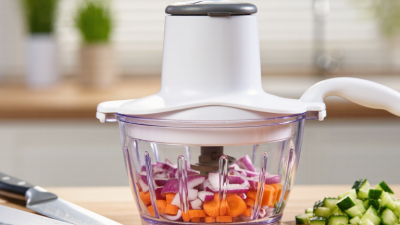
Alright, so when you're picking a vegetable chopper, it's not just about how fast you can chop. Actually, it's way more about control, being consistent, and making sure it fits safely into how you cook. I mean, a good one should turn onions, carrots, herbs, even cucumbers into nice even pieces – without turning them into a mushy mess of watery bits. And you definitely want it to stay put on a wet counter, because who wants to deal with a slipping appliance mid-chop, right? So yeah, keep those things in mind. You know how J. Kenji López-Alt, that chef and food writer, always says, “A sharp knife is a safe knife”? Well, that same idea totally applies when you're picking out a chopper, whether it's manual or electric. Here's the thing: if the blade is dull, you're gonna have to push down with way too much force, and if the lid isn't designed well, you'll end up with these weird, uneven chunks that just ruin the vibe. So, you really want to pay attention to a few things. Like, what's the blade made of? Does the handle feel good in your hand? Is the bowl big enough for what you actually need? And, oh man, cleaning—that's a huge one. A dishwasher-safe bowl sounds great on paper, but guess what? Food can still get stuck around the spindle, hidden away where you can't even see it. It's those little details that end up making all the difference, honestly. Look, you really gotta examine the chopping chamber—can it hold a medium onion without stuff spilling out? And check the base: does it have a firm rubber ring or is it a bit flimsy? Also, give the pull cord a few tugs. Does it stay smooth, or does it start to catch after a while? Honestly, these little details tell you way more than the shiny box ever will. Trust me on that. I mean, a compact Vegetable Chopper Vegetable Chopper might be perfect if you're just cooking for yourself in a tiny student kitchen. But for a busy family, you'd probably want a bigger electric one. That said, I wouldn't automatically go for the largest bowl size. The biggest isn't necessarily the best. Honestly, the best chopper comes down to how you actually cook, not the fancy marketing hype. Before you commit, take a look at the warranty, check if blades are replaceable, skim through what real customers are saying, and maybe peek at the cleaning instructions. If you can, get a feel for the grip in your hand. The right vegetable chopper for you should make chopping easier, keep the mess under control, and give you consistent results every time. It might not be absolutely perfect—let's face it, no kitchen gadget is, really.
Read more »
Elena By:Elena - October 27, 2026
Why Use a Lemon Squeezer for Fresh Juice?

Why Use a Lemon Squeezer for Fresh Juice?

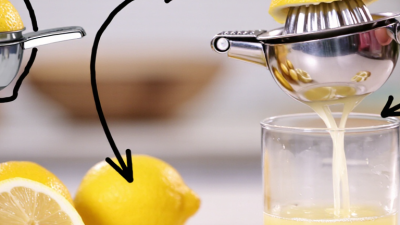
Ever wonder why you'd use a Lemon Squeezer for fresh juice? Honestly, fresh lemon juice can totally change a dish in just seconds. And a lemon squeezer? It makes that little upgrade way easier, cleaner, and something you can actually repeat without the mess. You just press the fruit right over a bowl or glass. The seeds stay out, and the juice gets into your recipe fast. No fancy gadgets needed. So, according to the USDA’s FoodData Central, raw lemon juice has something like 38.7 milligrams of vitamin C per 100 grams. That’s a pretty solid number—and it backs up why lemon juice gets praised for its nutritional value. Of course, real life isn’t exact: how much you actually get can depend on the lemon’s size and how fresh it is. Grand View Research also points out that convenience and making juice at home are big themes in the broader juice market. Which kind of explains why those simple manual tools are still handy in modern kitchens. Honestly? They cut down on prep time—no electricity needed, and no giant countertop appliance taking up space. There's a pretty practical kitchen test that shows this. Just take a lemon that's at room temperature, cut it, put half in the cup, and give it a steady squeeze. The juice comes out nice and smooth, and afterward the peel feels noticeably lighter. A handheld Lemon Squeezer can help with portion control too—think salad dressings, marinades, tea, maybe sparkling water. It's a small detail, but it makes a real difference. That said, it's not exactly perfect. With some models, you'll still find juice trapped inside the pulp, especially if the lemon happens to be really firm. Aluminum versions can also start reacting with highly acidic stuff over time. And yeah, cleaning matters. Residue likes to hide around the hinges, and before you know it, things start smelling kind of funky. So choosing durable materials and rinsing right away just makes sense, though everyone has their own preferences. At the end of the day, a lemon squeezer isn't some miracle gadget. It's a pretty simple kitchen solution, honestly—but it turns fresh citrus into part of your daily routine, just faster.
Read more »
Aria By:Aria - October 22, 2026
2026 Top Storage Container Types for Global Buyers?

2026 Top Storage Container Types for Global Buyers?

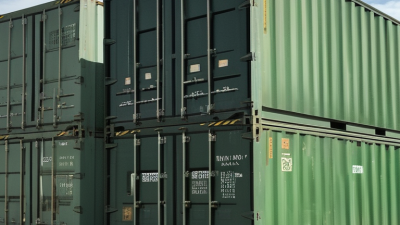
Global buyers are taking a fresh look at how they store, move, and protect valuable goods. These days, Storage Containers show up everywhere—construction sites, warehouses, farms, retail operations, even emergency logistics. Pick the right type and you can cut down handling time, reduce weather damage, and avoid some pretty costly replacements. Dr. Jean-Paul Rodrigue, a well-respected transport geographer, once wrote, “The container is the physical manifestation of globalization.” That still rings true in 2026. A standard dry container is often fine for boxed inventory and equipment. Need more height for bulky stuff? A high-cube gives you extra internal space. Refrigerated containers are for temperature-sensitive products, open-top units make it easier to load tall machinery, and flat-racks handle oversized cargo—though they come with their own planning headaches. Details really matter. Before buying, check corner castings, door seals, flooring, ventilation, and any surface corrosion. Internal dimensions can vary between manufacturers and production years. That tiny difference might mess with pallet placement. Used units can be a great value, but you’ll want to look closely at their repair history. New units usually mean cleaner interiors and more predictable performance. Neither choice is automatically the better one. Regional climate shifts the decision too. Coastal humidity means you should be extra serious about corrosion checks. Cold regions might call for better insulation or heating controls. Urban projects often need compact delivery planning and secure access. And before ordering? Verify dimensions, certifications, transport compatibility, and local requirements. No ranking is ever perfect. A container that works beautifully for a warehouse might flop on a remote site. The most reliable pick balances cargo, climate, budget, access, and expected service life. This guide compares the leading Storage Containers types for global buyers, while keeping in mind that real-world conditions can challenge even the most careful specs.
Read more »
Aria By:Aria - October 19, 2026
How to Choose the Best Food Strainer in 2026?

How to Choose the Best Food Strainer in 2026?

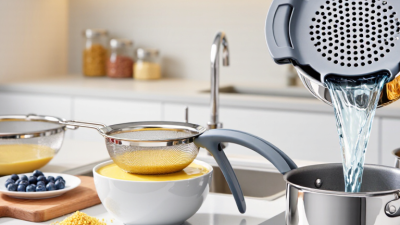
Picking the best food strainer in 2026? It's not just about price tags and star ratings. Today's kitchens ask a lot from a strainer: hot pasta, silky sauces, rinsed grains, delicate berries—all without bending, slipping, or making a mess. And the industry data backs that up. Grand View Research's kitchen utensils market analysis points to convenience, durability, and multifunctional design as key buying factors. Fortune Business Insights also sees steady growth in household kitchen equipment, fueled by more home cooking and the desire for easier meal prep. Now, these reports don't test every single food strainer out there, but they do point in one clear direction: people want fewer tools that actually perform better. Lisa McManus, Executive Editor at America's Test Kitchen, has often stressed a simple testing rule: “A good tool should make cooking easier, not more complicated.” That's exactly the standard to keep in mind when you're comparing stainless-steel mesh, silicone edges, handle balance, and how fast a strainer drains. A fine mesh can give you smooth custards, but it might clog up with thick soup. A wide basket drains fast, yet small grains can slip right through. Truth is, no design is perfect. The Silicone Food Strainer Hands-Free Pan Strainer is worth a closer look for one big reason: it can cut down on that awkward balancing act of holding a strainer while pouring a heavy pot. Still—hands-free doesn't always mean stable. Check the rim fit, heat resistance, how easy it is to clean, and how much weight it can handle before you trust it over the sink. I've made that mistake myself. This guide looks at real cooking situations, not just pretty product photos. It weighs material safety, grip comfort, mesh strength, storage, and long-term value. Choose carefully, and you should save time, spill less, and end up with something that still works after plenty of repeated use.
Read more »
Lila By:Lila - October 14, 2026
2026 Best Colander Strainer Types for Global Buyers

2026 Best Colander Strainer Types for Global Buyers

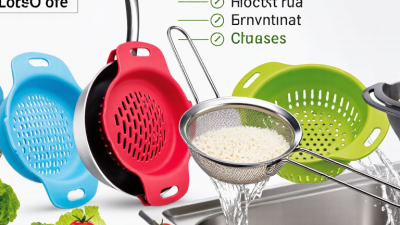
By 2026, global buyers aren’t just looking for a bowl with holes. They’re weighing drainage speed, heat resistance, storage, and material safety. A colander strainer you can actually count on? It should sit steady over a deep sink, drain pasta without tipping over, and rinse veggies without sending them everywhere. Grand View Research put the global kitchen utensils market at around USD 20 billion in 2023. Their analysis also suggests demand is rising for products that are durable, convenient, and save space. The Research and Markets kitchenware outlook flags material innovation and online buying as big drivers. But when it comes to colanders specifically? The numbers are still pretty thin. That gap is worth being cautious about. Chef and product reviewer J. Kenji López-Alt has often hammered home a simple idea: “Good kitchen tools should make the right technique easier.” That’s exactly how I’d think about strainers today. A Silicone Food Strainer Hands-Free Pan Strainer can make draining straight from the pan a whole lot simpler. Still, silicone’s softness can mean less control when you’re dealing with heavy food. Stainless steel gives you rigidity and a long lifespan, but the handles can get hot. Collapsible versions save cabinet space, though the hinges deserve a closer look. Our 2026 comparison zeroes in on real kitchen pressure points. We look at rim stability, hole size, grip comfort, how annoying cleanup is, packaging quality, and supplier consistency. These details matter—for retailers, distributors, restaurants, and household brands alike. And testing should cover hot pasta, rinsed rice, leafy greens, and plenty of repeat washing. Here’s the uncomfortable truth: no single design wins everywhere. Buyers should match the Colander Strainer type to local cooking habits, shipping conditions, and target price. Good, reliable specs matter more than pretty photos.
Read more »
Lila By:Lila - October 10, 2026
Top 10 Types of Oil Sprayers for Cooking

Top 10 Types of Oil Sprayers for Cooking

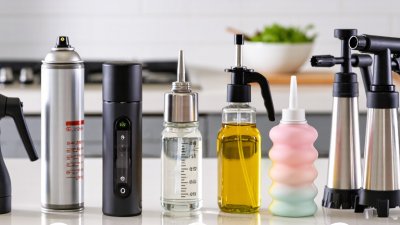
Picking the right oil sprayer can honestly change how evenly oil coats a pan, a salad, or a baking tray. It can cut down on waste, too, and help you keep portions under control. But—and this is the tricky part—no single design works for every kitchen, cooking method, or type of oil. Elena Marquez, a culinary equipment specialist at KitchenFlow Solutions, puts it well: “The best oil sprayer creates a consistent layer without forcing the cook to guess.” That’s a pretty practical way to look at it. A sprayer should feel good in your hand, release oil smoothly, and still be easy to clean after you’ve used it day after day. Small details matter here. A clogged nozzle? Yeah, that can wreck an otherwise careful recipe. So this guide looks at the Top 10 Types of Oil Sprayers for Cooking. We compare manual pump bottles, trigger sprayers, aerosol cans, continuous-mist models, battery-powered sprayers, glass bottles, stainless-steel designs, silicone containers, pressure sprayers, and adjustable oil dispensers. Each type brings something different. Some give you a fine mist. Others send out a stronger stream—useful for roasting vegetables or greasing cookware. Material quality deserves a mention, too. Clear glass lets you keep an eye on oil levels, while stainless steel stands up better to light and everyday kitchen bumps. Still, looks can be misleading. A bottle that looks great might spray unevenly or need constant pumping. That’s an easy thing to overlook. And real cooking conditions tell you more than product labels do. A sprayer used near a hot stove needs a secure grip and dependable control. It shouldn’t leak all over the countertop. Even then, performance can change depending on whether you’re using olive oil, avocado oil, or a thicker blend. This guide isn’t perfect, but it gives you a practical comparison if you’re after cleaner application, better control, and a smarter purchase.
Read more »
Aria By:Aria - October 7, 2026
2026 Best Glass Containers for Wholesale Buyers?

2026 Best Glass Containers for Wholesale Buyers?

When it comes to the wholesale market in 2026, it’s not just about having eye-catching packaging. Glass containers need to do more—they’ve gotta protect the product, keep costs in check, and stand up to long and often tough distribution routes. You know, it’s a whole story beyond just looking good. So, according to Grand View Research, the global glass packaging scene was valued at around $75 billion in 2023, and they’re expecting steady growth through to 2030. Meanwhile, Mordor Intelligence points out that food, beverage, and pharma packaging are the biggest drivers for demand. But here’s the thing—different reports don’t always see eye to eye, and market boundaries can be a bit fuzzy. Honestly, real-world warehouse data beats out shiny forecasts every time. If you’re buying, you should definitely check things like the weight of the bottles, how well the neck finish fits, the integrity of the closures, how the pallets are loaded, and—very important—the breakage rates. Also, don’t forget to ask your suppliers for food-contact declarations and migration test results. Those glass food storage containers with lids? Yeah, they need good gaskets and resistance to thermal shocks. Sometimes, a lid seals perfectly in a demo, but after a few washes, it might crack or leak. Scott DeFife, who’s the President and CEO of the Glass Packaging Institute, once said that glass is “a permanent material.” And he’s right—it's recyclable and lasts a long time. But let’s be honest, it’s not all smooth sailing. Glass is heavy, it needs careful handling, and shipping costs can add up. So, weighing these pros and cons honestly is key. This guide digs into the top glass containers for wholesale buyers in 2026. It looks at durability, design options, sustainability proof, minimum order quantities, and the overall delivered cost. No list will ever be perfect, especially since supplier performance can change pretty fast. That’s why the smart move is to order samples first and test them out before you commit to a full pallet.
Read more »
Lila By:Lila - October 2, 2026
Best Collapsible Strainer Types for Buyers in 2026?

Best Collapsible Strainer Types for Buyers in 2026?

Picking the right Collapsible Strainer in 2026 isn’t just about comparing sizes when folded or choosing a pretty color. You really want something that works well in the real kitchen, where hot pasta, rinsed berries, and big veggies push it to the limit. A good collapsible strainer should open smoothly, drain quickly, and stay steady whether it’s inside your sink or perched on a pot. In this guide, we’ll look at some of the popular types—considering what they’re made of, how they’re built, their capacity, and whether they’re practical for everyday use. Silicone models are cool because they fold almost flat and feel nice to handle when you’re washing them. Stainless steel frames tend to be sturdier and last longer, which is pretty important if you’re using it a lot. Plastic ones are usually lighter, but it’s worth taking a closer look at their hinges and handles—they’re often the weak spots. Also, think about drainage: small holes are great for delicate foods, but bigger openings drain faster if you're just rinsing stuff quickly. You’ve gotta test these things out in the real world. Sometimes, a strainer might look awesome online but wobble when it’s loaded with potatoes. Some models even trap water inside their foldable joints—something that’s easy to miss if you’re not careful. So, we check out how easy they are to clean, if they can handle high heat, how comfortable they feel to grip, how they store away, and the overall quality of the build. We focus on real kitchen tasks, not just shiny specs on a webpage. Of course, no one-size-fits-all. A tiny apartment might prefer a shallow, foldable bowl, while a busy house needs reinforced handles and a bigger basin. Even seasoned reviewers can overlook small details after a quick test, so, keep that in mind. We recommend checking product instructions, warranty info, and reviews from verified users—because, at the end of the day, the best strainer balances convenience, durability, hygiene, and honest expectations for the long haul.
Read more »
Elena By:Elena - September 24, 2026
2026 Best Kitchen Cooking Tools for Global Buyers?

2026 Best Kitchen Cooking Tools for Global Buyers?

Picking out the right kitchen tools has honestly become quite the puzzle for shoppers around the world in 2026. Let’s be real—having a sleek product photo just doesn’t cut it anymore. Buyers want tools with reliable materials, safe handling, easy cleanup, and proof that they actually perform well. Think about it— a good chef’s knife should stay sharp without feeling like a ton of bricks in your hand. A silicone spatula needs to bend nice and smoothly around warm sauces and pots. Measuring cups and spoons should still be easy to read after a bunch of washes. These small details actually have a bigger impact on your daily cooking than flashy designs or fancy colors. As culinary guru and author Alton Brown once said, “The only unitasker in my kitchen is a fire extinguisher.” His point? Versatile tools that do a bunch of things save space, money, and time in the long run. This guide is all about looking at kitchen tools from a practical, real-world perspective. We dive into stainless steel grades, how well they resist heat, comfort when gripping, storage needs, and how easy they are to clean and maintain. It’s also about understanding regional cooking styles, household sizes, and different kitchen setups. A tool that works great in a professional restaurant might be overkill in a tiny apartment. Plus, some claims—like “durable”—should be taken with a grain of salt. Often, packaging just throws that word around without real testing backing it up. So, it’s smart to check warranty details, food safety info, whether parts are easy to find, and read some independent reviews before you buy. Price is important, but a cheap whisk that bends after a few uses isn’t really saving you anything. The best picks are those with proven safety, thoughtful design, and reliable everyday performance. Convenience is key, too. This guide gives you a good starting point, but keep in mind, actual kitchens are messy, varied, and not perfect. And that’s totally okay.
Read more »
Aria By:Aria - September 21, 2026
What Is the Best Type of Storage Container?

What Is the Best Type of Storage Container?

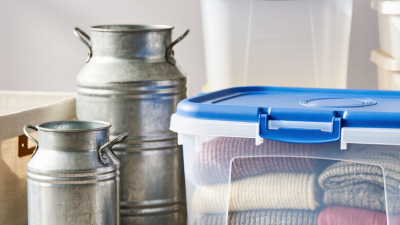
Picking out the right storage containers really depends on what you’re planning to store, where you’re keeping them, and how often you need to access what's inside. For example, a container for winter clothes isn’t going to be the same as one for garden tools, documents, or kitchen supplies. Things like the material, size, ventilation, lid design, and how tough it is all play a part in how well they work day-to-day. In real-world testing, sturdy plastic boxes tend to be a solid choice for garages, basements, or moving around. They do a good job resisting moisture compared to cardboard, and they’re super easy to wipe clean. Plus, if the walls are clear, it’s a huge time-saver—you can see what's inside without opening every box. That said, plastic can get brittle when it’s really cold outside, and if the lid doesn’t fit just right, dust can still creep in. Little details like that really matter. Metal containers are super tough and offer better impact protection. They're great for workshops or places where stuff gets a bit rough. Just keep in mind, they can be pretty heavy, and if you’re storing in a damp area, rust could become an issue. Then there are fabric containers—they’re lightweight, flexible, and easy to move around. But they don’t do as well against moisture, pests, or crushing weight. Honestly, no option’s perfect. When you’re picking what to go with, it’s all about considering the manufacturer’s specs, what you’ve heard from others, and what fits your environment best. A fancy lid won’t help much if the base can’t hold the weight, and a big box might seem like a good idea but could be a pain to lift and organize. This guide compares some common storage options based on how useful they are in real life, how much maintenance they need, and how long they’ll last. Of course, some of this is just personal opinion—your space might tell you otherwise, and that’s totally okay.
Read more »
Elena By:Elena - September 18, 2026
What Are the Top 10 Storage Containers for Global Buyers?

What Are the Top 10 Storage Containers for Global Buyers?

When global buyers are choosing storage containers, they definitely need more than just a cheap price tag. It’s really about finding reliable equipment that can handle different climates, industries, and transportation conditions. For example, a container sitting next to a busy construction site faces totally different challenges than one used to store overflow inventory in a warehouse. Things like moisture, rust, door alignment, floor durability, and ventilation can all tip the scales when it comes to making a smart buying decision. John Fossey, who heads up Container Equipment and Leasing Research at Drewry, puts it nicely when he says, “Container equipment is a critical part of the supply chain.” And honestly, that really hits home. A container isn’t just some steel box — it’s what keeps your inventory safe, makes handling easier, and can even affect your operating costs down the line. The best containers should also check all the boxes for ISO dimensions, CSC safety standards, regional delivery restrictions, and come with proper inspection records. In this guide, we look at ten practical options for storage containers around the world. You’ll find everything from standard dry containers, high-cube models, refrigerated units, open-top designs, side-opening containers, to customized storage cabins. Each one has its own purpose — some focus on capacity, others on access, or temperature control. And hey, it’s the little details that count. For instance, a basic plywood floor might protect your boxes from dampness on the ground, while a good seal around the doors can keep rain out during a coastal storm. A high-cube container offers extra height, which is pretty handy, but it might cause delivery headaches in tight spots. These kinds of trade-offs are easy to overlook if you’re not paying close attention. Now, let’s be real — the rankings here aren’t set in stone. Market prices move, availability can change quickly, and not every claim from a supplier is 100% trustworthy. It’s always smart to ask for photos, inspection reports, serial numbers, and a full breakdown of total landed costs before making a deal. Sometimes, real-world experience will reveal issues that a shiny spec sheet just doesn’t show.
Read more »
Aria By:Aria - September 12, 2026